Living in South Jersey comes with its own charm—beaches, tight-knit communities, and beautiful neighborhoods. But when it comes to homes here, especially older ones, electrical issues are all too common.
From flickering lights to outlets that suddenly stop working, these problems don’t just disrupt your day—they can become serious safety hazards.
The good news? A skilled handyman can take care of most of these headaches quickly and affordably. Let’s dive into the most common electrical problems in our area and how a handyman solves them.
Why Electrical Problems Happen in South Jersey Homes
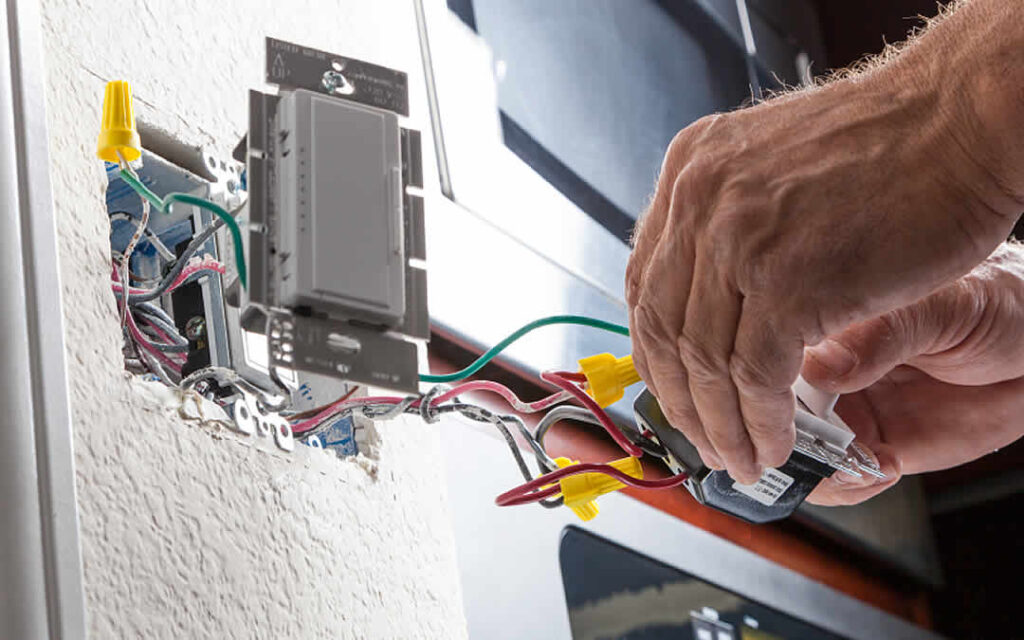
Many houses in South Jersey were built decades ago. Over time, wiring gets old, outlets wear out, and circuits get overloaded. The salty coastal air doesn’t help either—corrosion can speed up wear and tear, especially in homes near Atlantic City, Ventnor, and Ocean City.
Then there are the seasonal storms. Lightning strikes, power surges, and moisture can all impact electrical systems. Add in DIY repairs from previous owners, and it’s no wonder so many homeowners face electrical quirks.
That’s where a licensed handyman comes in, using diagnostic tools and local knowledge to pinpoint the problem.
Flickering or Dimming Lights
Flickering or dimming lights might seem like just a small annoyance—but they can be a warning sign of deeper electrical trouble.
It’s one of the most common issues I see in South Jersey homes, and the cause can range from something minor to something dangerous.
Let’s break it down.
What Causes Lights to Flicker or Dim?
Loose Bulb or Faulty Fixture
Sometimes, the simplest cause is a loose bulb or an old light fixture. When the bulb doesn’t sit snug in the socket, the connection can cut in and out, especially with vibrations from ceiling fans or foot traffic upstairs.Faulty Light Switch or Dimmer
Old or worn-out switches—especially dimmer switches—can cause inconsistent voltage to the fixture. Cheap dimmers also don’t always work well with modern LED bulbs, causing visible flickering or a low buzzing noise.Overloaded Circuit
If lights flicker when you turn on a microwave or space heater, your circuit is probably overloaded. That’s especially common in homes with limited outlets or older wiring not built for today’s electrical demand.Loose Electrical Wiring
This is the most serious cause. A loose neutral wire or frayed connection inside a wall or ceiling can cause intermittent flickering—and sparks. It’s a major fire hazard and should be inspected immediately.Voltage Fluctuations
In South Jersey, power surges and drops are common, especially during summer thunderstorms or winter storms. These voltage spikes can cause lights to dim suddenly, then return to normal. It often means your electrical panel or utility connection is having trouble regulating current.
How a Handyman Diagnoses the Problem
When I get a call about flickering lights, I don’t just assume it’s the bulb. Here’s what I typically do:
Inspect the Light Fixture:
I check the socket, tighten the bulb, and test with a known working bulb. If it still flickers, I remove the fixture and examine the wiring.Test the Switch:
Using a voltage tester, I check if the switch is delivering consistent power. A flickering light may be caused by corrosion or worn contacts inside the switch box.Check the Circuit Load:
I’ll look at what else is running on the same circuit—TVs, appliances, space heaters. If the amperage is too high for the breaker, it creates small drops in voltage that affect your lights.Use a Multimeter or Clamp Meter:
These tools help me detect inconsistent voltage or power drop. I can spot if there’s an imbalance on the neutral line, which often means a deeper wiring issue.Inspect the Panel (if needed):
In older homes around Atlantic County, the electrical panels sometimes have outdated breakers or rusted connections. If I suspect something’s wrong at the source, I open the panel and check for overheating or loose screws.
How I Fix It (Step by Step)
Tighten or Replace Bulbs & Fixtures
If the bulb is fine but the fixture is old or damaged, I’ll replace it entirely with a safer, modern fixture—especially if it’s not rated for LED bulbs.Replace Faulty Switches or Dimmers
I install high-quality dimmers compatible with LED lighting and rewire the switch box if needed.Redistribute Circuit Loads
If the circuit is overloaded, I suggest moving some appliances to another outlet or circuit. In some cases, I may add a new dedicated line (with a licensed electrician if required).Repair Wiring Connections
I’ll replace wire nuts, tighten terminals, and make sure all connections are clean and properly grounded. If the wiring is damaged inside the wall, it may require patching and rewiring.Recommend Panel Upgrade (if needed)
If the issue is due to an outdated panel, I’ll recommend bringing in a licensed electrician to upgrade it. Panels like Federal Pacific or Zinsco are known to be fire hazards and should be replaced.
South Jersey-Specific Issues
Homes near the coast (like Ventnor, Margate, or Linwood) face unique challenges:
Salt air corrosion: It can damage wire insulation and fixtures faster than inland homes.
Storm-related power surges: Frequent voltage spikes stress older electrical systems.
Humidity: Increases the chances of rust inside junction boxes and panels.
That’s why flickering lights in South Jersey should never be ignored. It’s not just about comfort—it’s about preventing bigger problems like electrical fires, short circuits, or complete power loss.
Faulty or Dead Outlets
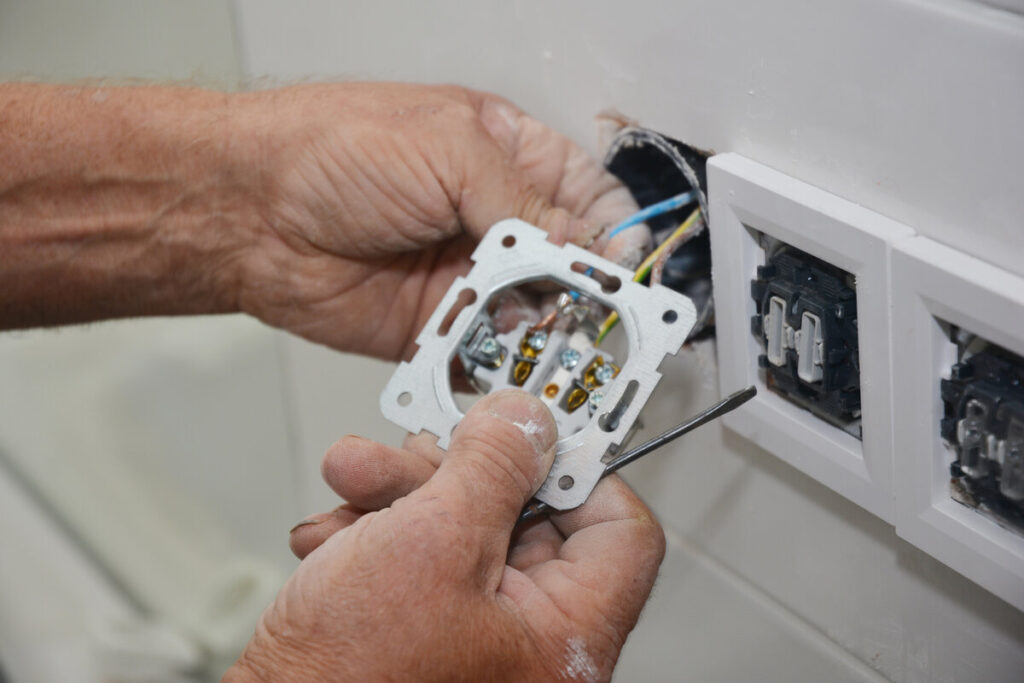
Dead outlets are frustrating, especially in older homes where there aren’t many to begin with. Sometimes it’s just a tripped GFCI (Ground Fault Circuit Interrupter), especially in kitchens, bathrooms, or garages.
Other times, the issue runs deeper—burnt wiring, loose terminals, or even signs of arcing (when electricity jumps between connections).
A good handyman knows how to safely remove and test the outlet. If it’s dead, they replace it and check the rest of the circuit for hidden problems. In wet areas, GFCIs are often added to meet modern safety codes.
Tripping Circuit Breakers
A tripping circuit breaker is more than just a minor inconvenience. It’s your home’s way of saying, “Something isn’t right.”
If you’ve ever had to walk down to the basement in the middle of dinner to flip a breaker back on, you know how frustrating it can be. But more importantly, this issue can signal potential electrical hazards hiding behind your walls.
Here’s a deep dive into why breakers trip, what it means for your home, and how a skilled handyman in South Jersey can safely fix the problem.
Why Circuit Breakers Trip
A breaker is designed to protect your home’s electrical system. When it senses something abnormal—like too much current—it shuts off power to that circuit to prevent overheating, fires, or damage to appliances.
Here are the three main reasons this happens:
1. Overloaded Circuit
This is the most common cause of a tripping breaker.
What it means:
You’re running too many high-powered devices (like a space heater, toaster, and microwave) on a single circuit. The total current draw exceeds what that breaker is rated for, usually 15 or 20 amps.
Real-life example:
In many older homes in South Jersey, the kitchen outlets weren’t designed to handle today’s modern appliances. Plug in two high-wattage appliances, and the breaker cuts power as a safety measure.
Why it matters:
Constantly overloading a circuit wears it down over time and can cause heat buildup in your wires, which is a serious fire hazard.
2. Short Circuit
This is more dangerous than an overload.
What it means:
A “short” happens when a hot (live) wire touches a neutral or another hot wire. This creates a low-resistance path that pulls a huge amount of current—more than the wire is built to handle—instantly tripping the breaker.
Signs of a short circuit:
- Burn marks near outlets or switches
- A burning smell
- Popping sounds before the breaker trips
- A tripped breaker that won’t reset
Why it matters:
Short circuits often mean damaged or deteriorated wiring, sometimes caused by pests, moisture, or old insulation breaking down. These can quickly lead to electrical fires if not fixed.
3. Ground Fault
This is when electricity takes an unintended path to the ground, often through water or a grounded metal box.
Where it happens:
Mostly in wet areas like bathrooms, kitchens, garages, or outdoor circuits. It’s why GFCI (Ground Fault Circuit Interrupter) outlets are required in these locations under modern codes.
Why it trips the breaker:
Just like a short, a ground fault causes an unsafe flow of electricity. A properly wired panel will instantly trip the breaker—or GFCI—to prevent shock.
Why it matters:
Ground faults can cause serious injury or death if left unchecked. They often occur due to moisture, cracked insulation, or DIY wiring mistakes.
Broken or Loose Switches
Ever flip a light switch and feel it wiggle? Or maybe it makes a popping sound? That’s a sign of wear—or worse, internal damage. Over time, switches degrade, especially if they weren’t installed properly.
A handyman can easily swap out old or damaged switches. They also check for heat marks or discoloration, which could signal a deeper problem. New switches don’t just fix the issue—they can also modernize the look of your home with cleaner, quieter models.
Ceiling Fan or Light Fixture Issues
Ceiling fans that hum or wobble can drive you nuts. Light fixtures that buzz or dim? Equally annoying. These problems often come from poor installation, unbalanced blades, or failing motors.
South Jersey homes with high humidity can also see corrosion in fan or light wiring. A handyman removes the fixture, inspects the wiring, and makes sure the mounting is secure. Whether it’s replacing a whole fixture or just tightening the box, these small fixes prevent bigger headaches later.
Non-Working Smoke/CO Detectors
Smoke and carbon monoxide detectors save lives—but only if they work. Dead batteries are common, but so are outdated units or poor placement. Many homes still have detectors that are 10+ years old and no longer reliable.
A handyman replaces outdated units with modern ones—hardwired, battery backup, and code-compliant. They also install detectors in the right places, like outside bedrooms and in basements. It’s a simple job that gives real peace of mind.
Video Doorbell or Smart Device Electrical Setup
Installing smart doorbells, cameras, or thermostats sounds easy—until you realize your wiring isn’t compatible. Low-voltage systems, improper grounding, or missing transformers can all cause problems.
A handyman who understands both old-school wiring and smart tech bridges the gap. They ensure devices are powered correctly, mounted securely, and tested for function. Whether it’s a Ring doorbell or a Nest thermostat, having it installed right the first time saves frustration.
Electrical Troubleshooting: What a Handyman Checks First
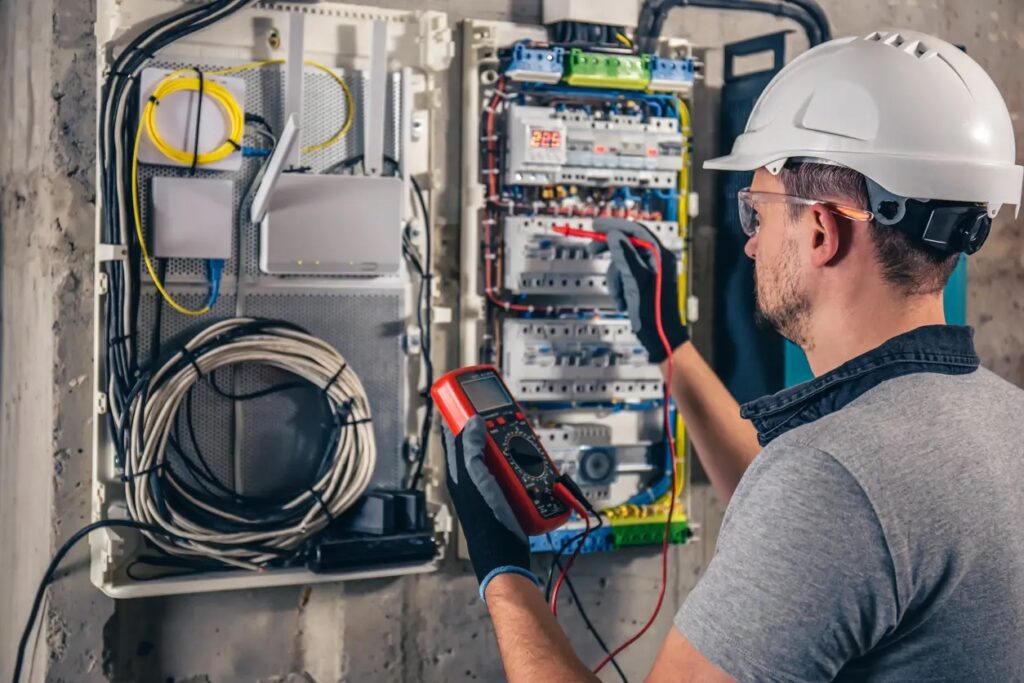
Troubleshooting starts with a few smart questions: What stopped working? When? Was there a storm or a surge?
A handyman uses a multimeter to test outlets, switches, and wires. They check the breaker box, look for burn marks, test for continuity, and identify overloaded lines. It’s not just guesswork—it’s a process of elimination that finds the root cause.
In South Jersey, it helps to have someone who understands local conditions—coastal weather, older wiring systems, and common neighborhood layouts.
When to Call a Professional vs. DIY
Some electrical tasks seem easy—like swapping a light bulb or resetting a breaker. But the moment wires are exposed or tools are needed, it’s safer to call in help.
Trying to fix a tripped breaker without understanding the circuit can be dangerous. So can replacing outlets without cutting the power properly. A licensed and insured handyman offers a safe, affordable alternative to DIY risks.
In South Jersey, handyman services also know the local codes. That means no surprises when it’s time for an inspection or resale.
FAQs About Electrical Repairs
How much does a handyman charge for electrical work?
Rates vary by job, but it’s usually more affordable than hiring a full-service electrician for small fixes.
Can a handyman replace an outlet or switch in New Jersey?
Yes, many licensed handymen are allowed to perform minor electrical tasks. For panel upgrades or full rewiring, you’ll need an electrician.
How fast can someone come out for repairs?
Most local handymen offer flexible scheduling and can come out within a few days—faster if it’s urgent.
Do handymen handle electrical jobs in rentals or older homes?
Absolutely. Many are familiar with multi-unit properties, historic homes, and working with landlords.
Safety and Compliance
Electrical safety isn’t optional. In New Jersey, building codes are strict for a reason. Proper GFCI placement, hard-wired smoke detectors, and safe grounding are non-negotiable.
A professional handyman keeps your home not just functional, but up to code. That’s especially important if you plan to sell your house or rent it out.
Conclusion
Electrical problems don’t have to be scary—or expensive. Whether it’s a flickering light or a dead outlet, most issues can be fixed quickly by someone who knows what they’re doing.
A professional handyman brings skill, experience, and local know-how to every job.
If you’re in South Jersey and tired of dealing with mysterious switches or buzzing fixtures, don’t wait. Call in a pro, fix it right the first time, and feel confident that your home is safer and more comfortable for everyone.