If you’ve ever faced a flickering light, a broken outlet, or a dripping faucet, you’ve likely asked yourself: Do I need a handyman or an electrician for this? It’s a common question for New Jersey homeowners.
With so many home repair needs, knowing who to call can save you time, money, and stress. This guide will walk you through when a handyman is the right choice and when you need the expertise of a licensed electrician—especially with New Jersey’s specific building codes and safety regulations.
What Does a Handyman Do?
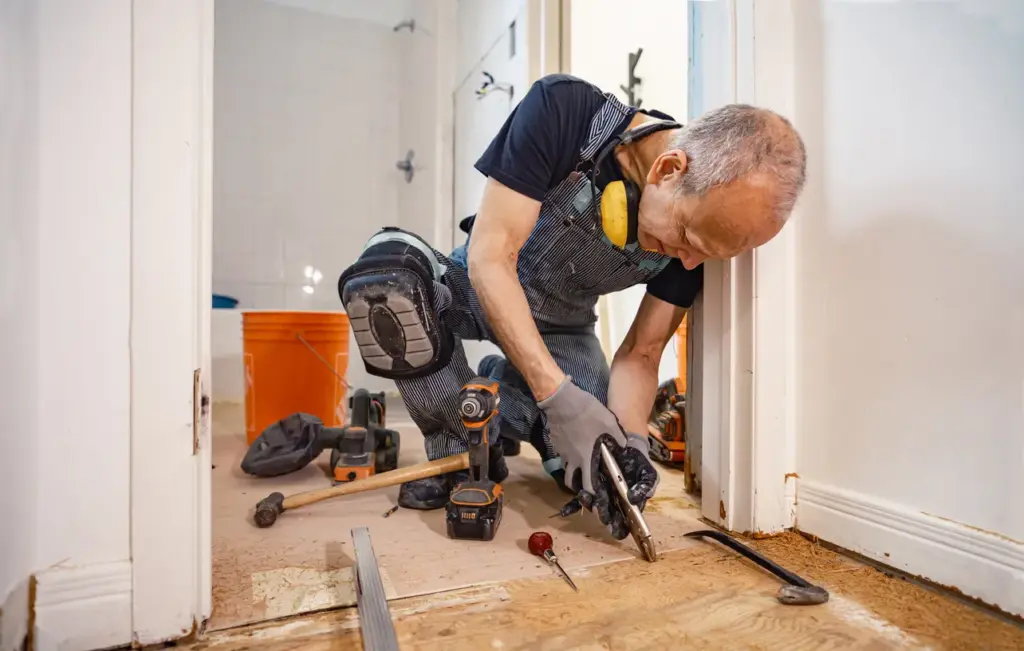
A handyman is like having a trusted friend who knows how to fix almost anything around the house. They aren’t tied to one specific trade, like plumbing or electrical—they’re a jack-of-all-trades, able to handle a variety of small repairs, installations, and improvements that pop up in everyday life.
Versatile Home Repair Skills
Handymen are known for their broad skill set. While they may not be certified electricians or plumbers, they know how to repair, replace, or install basic items with skill and care. Here’s a closer look at some of the most common jobs a handyman can do around your home in New Jersey:
- Drywall repair and patching: Fixing holes, dents, and cracks in walls and ceilings.
- Painting and touch-ups: Both interior and exterior work, including trim and baseboards.
- Caulking and sealing: Around tubs, windows, sinks, and doors to prevent drafts and leaks.
- Light carpentry: Repairing door frames, hanging shelves, or building custom furniture pieces.
- Furniture assembly: From IKEA builds to complex cabinet installations.
- Appliance installations: Like dishwashers, microwaves, or washer/dryer hookups.
- General maintenance: Gutter cleaning, pressure washing, deck staining, or replacing screens.
Light Electrical and Plumbing—To a Point
While a handyman is not a licensed electrician or plumber, they’re often experienced in doing light tasks in these areas—so long as they don’t require permits or pose serious safety risks.
For example, a handyman may:
- Replace a light fixture or ceiling fan—if the wiring is already in place
- Install or change light switches or dimmers
- Swap out outlet covers or GFCI outlets (but not add new wiring)
- Fix a leaky faucet or replace a showerhead
- Install a garbage disposal or toilet seat
The key rule in New Jersey: if the job involves cutting into the wall to access electrical wiring or changing plumbing pipes connected to the main supply, that’s where the handyman’s role ends—and a licensed tradesperson must take over.
Tools of the Trade
A professional handyman shows up with an impressive set of tools. These often include:
- Power drills, saws, and sanders
- Electrical testers for minor wiring checks
- Hand tools for assembly and repairs
- Ladders, safety gear, and sealants for exterior work
This tool variety allows them to be flexible and efficient, handling multiple jobs in one visit—saving you the hassle of hiring several different contractors.
When to Choose a Handyman
A handyman is the ideal choice when:
- You have a punch list of small fixes
- You want to update fixtures or do light remodels
- You need help with seasonal maintenance
- You’re prepping your home for sale or rent
- You need a cost-effective option for non-specialized tasks
Choosing a handyman is also a smart move when you value speed, flexibility, and affordability for projects that don’t require a permit or technical expertise.
What Does a Licensed Electrician Do?
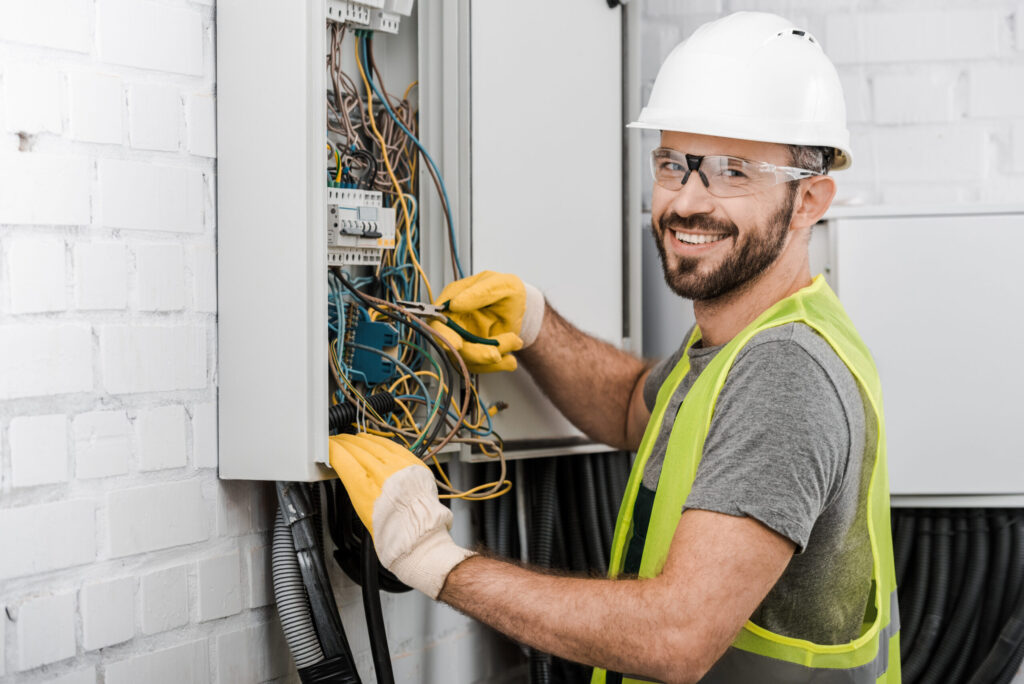
An electrician is a trained professional who focuses only on electrical systems. They handle more complex jobs like rewiring, panel upgrades, installing new outlets, or anything tied into your electrical panel.
Electricians must be licensed and insured in New Jersey and follow the National Electrical Code (NEC) and state regulations.
When You Can Call a Handyman in NJ
Handymen are great for simpler electrical tasks that don’t require modifying wiring behind walls or changing your circuit panel. Here are a few examples of when you can call a handyman:
- Replacing light fixtures
- Installing ceiling fans (if the wiring is already there)
- Mounting a TV or smoke detector
- Swapping out light switches or outlets (when no rewiring is needed)
They’re also ideal for non-electrical jobs like:
- Repairing drywall or trim
- Caulking windows and doors
- Cleaning gutters
- Hanging shelves or mirrors
- Basic plumbing like replacing faucets
Mackenzie Contracting specializes in these types of tasks—especially useful when you have a list of small jobs and want them done all at once.
When You Should Call a Licensed Electrician
Certain tasks require a licensed electrician by law in New Jersey. That’s because the risk is higher and improper work can lead to fires, shock, or code violations.
Here’s when you need an electrician:
- Installing or upgrading circuit breakers
- Rewiring parts of your home
- Installing dedicated circuits (like for an EV charger or hot tub)
- Adding new outlets or switches where none existed
- Fixing overloaded panels
- Electrical inspections and troubleshooting
If your job involves pulling permits or touching your electrical panel, skip the handyman and call a licensed electrician. NJ code is strict, and unlicensed electrical work can be a liability nightmare.
Understanding NJ Electrical Codes and Legal Limits
New Jersey follows the NEC, but also has state-specific rules. Most towns require permits for major electrical work. This means even if someone can do the job, they might not be legally allowed to.
By law in NJ:
- Only licensed electricians can run new wiring or install panels.
- Permits are required for panel upgrades or new circuits.
- Unlicensed work can void your homeowners insurance.
Handymen can’t legally perform high-voltage or behind-the-wall electrical jobs unless they’re licensed. This is where homeowners often get into trouble—saving money upfront but facing fines or safety issues later.
Common Job Examples and Who to Call
| Home Repair Task | Call a |
|---|---|
| Install a ceiling fan (with wiring in place) | Handyman |
| Replace a broken light switch | Handyman |
| Run new wiring for a home office | Electrician |
| Upgrade your breaker panel | Electrician |
| Mount security lights outside | Handyman or Electrician (depends on wiring) |
| Install a new EV charger | Electrician |
| Replace smoke detectors | Handyman |
| Add GFCI outlets in bathroom | Electrician |
Why Hiring Local in New Jersey Matters

Local contractors understand New Jersey’s weather, codes, and township rules better than out-of-state services. Companies like Mackenzie Contracting are familiar with local permits, seasonal issues like moisture and salt air (especially near the coast), and what NJ inspectors look for.
Plus, hiring locally means better accountability and faster service when you need it.
FAQs
Can a handyman do electrical work in NJ?
Yes, but only minor tasks—like replacing fixtures or outlets—not wiring or anything requiring a permit.
Do I need a permit for electrical work in NJ?
Yes, for anything beyond fixture replacement or adding outlets where none existed.
Is it cheaper to hire a handyman?
Usually, yes—for small jobs. But for major electrical work, a licensed electrician is a safer investment.
Can Mackenzie Contracting handle both handyman and electrical tasks?
Yes. While they focus on general handyman services, they work with licensed professionals when a job needs it.
Conclusion
Knowing when to call a handyman and when to bring in a licensed electrician can save you a lot of headaches.
Handymen are great for smaller repairs and light installations, while electricians are essential for anything tied to your home’s wiring or breaker box. In New Jersey, the rules are clear—when in doubt, go with the licensed pro.
If you’re in the South Jersey area, companies like Mackenzie Contracting offer dependable, professional handyman services with the know-how to recognize when it’s time to bring in an electrician. That way, your repairs stay safe, compliant, and stress-free.