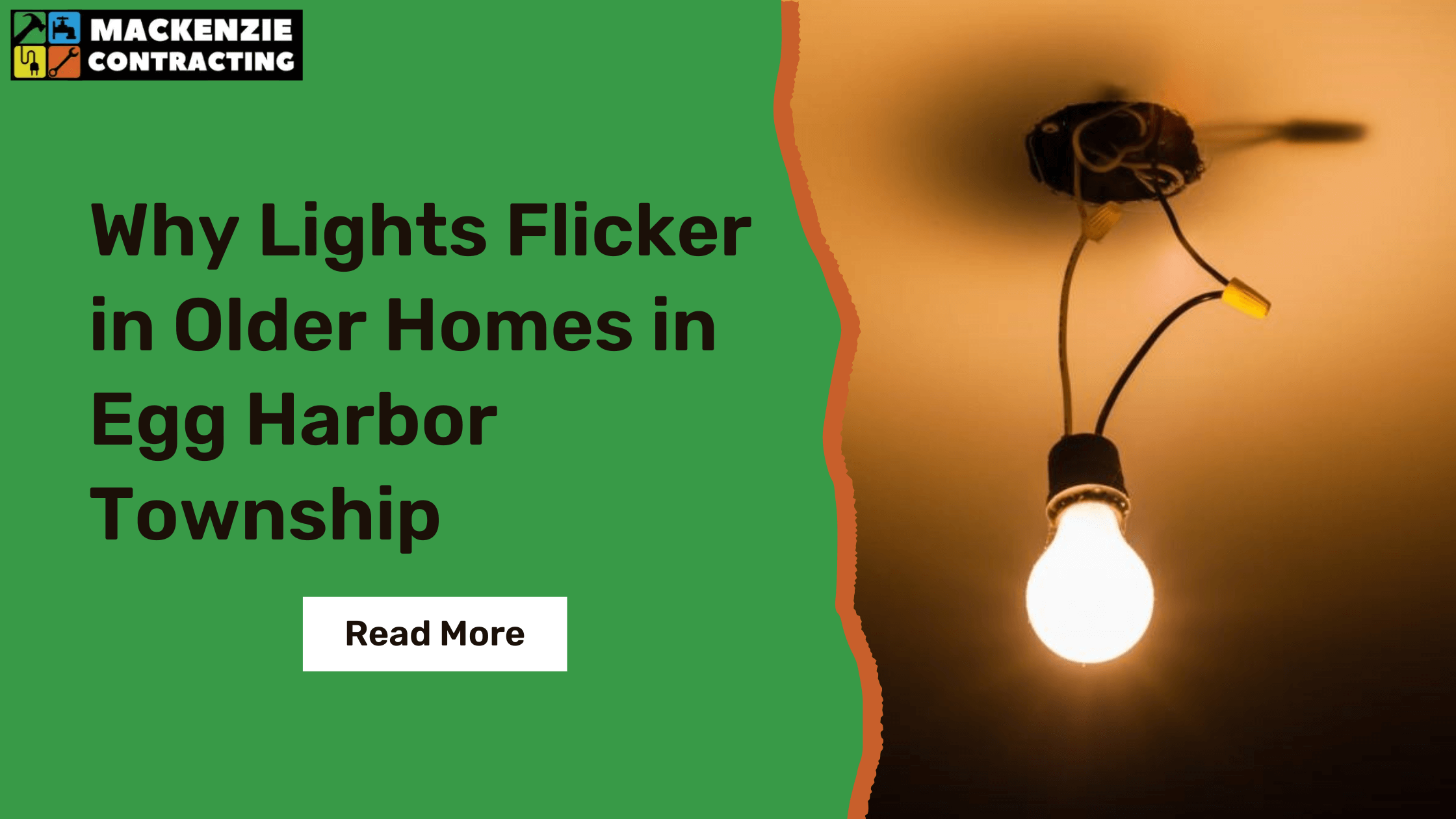
Living in Egg Harbor Township, it’s not unusual to spot charming older homes lining the streets. But if you’ve noticed your lights flickering — especially when the AC kicks in or you switch on the microwave — it’s not just annoying.
It could be a warning sign of something more serious going on behind your walls. Let’s dive deep into what’s really causing the flickering lights in these older homes, and how you can fix the issue before it becomes a safety hazard.
What Does Flickering Lights Really Mean?
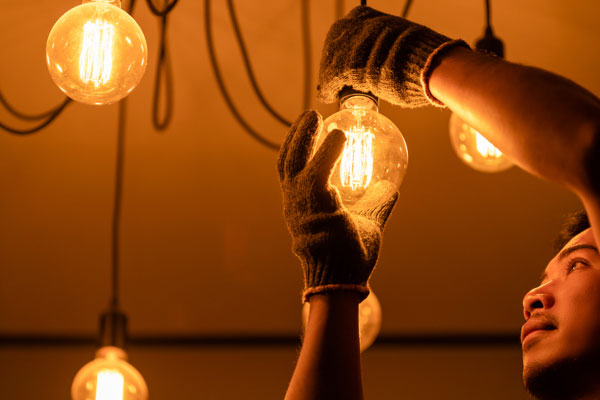
When lights flicker, they’re turning on and off rapidly — often too quick for the naked eye to fully catch, but just enough to make you uncomfortable. Sometimes, the flicker is random. Other times, it happens whenever you use another appliance or flip a switch.
In older homes, flickering lights are often the first sign that your electrical system is stressed. It’s a bit like a cough — harmless sometimes, but other times, it’s pointing to a bigger issue underneath.
Common Reasons Why Lights Flicker in Older Homes
If you live in an older home in Egg Harbor Township, you may notice your lights flickering more often than you’d like. While it may seem harmless at first, it’s often your home’s way of telling you something isn’t right behind the walls.
Here’s a deeper look at the most common causes — and what they might mean for your home’s safety and electrical health.
Loose or Faulty Bulbs and Fixtures
This is the simplest fix, and surprisingly common.
Over time, light bulbs — especially incandescents — can loosen slightly in their sockets. A small gap between the bulb’s metal base and the fixture’s contact point interrupts the flow of electricity, causing the light to flicker.
Even vibrations from footsteps, ceiling fans, or doors closing can make this worse in older, less stable fixtures.
Today, many homeowners have swapped old bulbs for LEDs or CFLs. These energy-efficient options can still flicker if:
- They're not seated properly.
- They're used with non-compatible dimmer switches.
- They're poor quality or off-brand bulbs with weak internal drivers.
Fixtures themselves can also degrade with age. Loose wiring inside an old ceiling fixture or lamp can create flickering, even if the bulb is new. Always check the socket integrity when you spot persistent flickers.
Outdated or Worn-Out Electrical Wiring
This is one of the most serious causes — and also one of the most common in homes built before the 1980s.
Back then, many houses used:
- Cloth-wrapped or aluminum wiring (especially in 1960s-70s homes)
- List Item
- Knob-and-tube systems (popular before the 1940s)
These materials age poorly. Over decades, the insulation becomes brittle or cracks. Connections inside junction boxes loosen. Rodents sometimes chew wiring in attics and basements. All of these lead to inconsistent current flow, which shows up as lights flickering.
But here’s the danger: Loose connections generate heat. If ignored, that heat builds up and can ignite surrounding insulation or wood framing — making outdated wiring one of the leading causes of electrical house fires.
If your flickering lights come with buzzing sounds, smoke smells, or scorch marks on outlets, shut off the power and call a licensed electrician immediately. It’s not just annoying — it’s dangerous.
Voltage Fluctuations & Power Surges
Have you noticed your lights flickering when someone turns on a vacuum cleaner, dishwasher, or hair dryer?
That’s a sign of voltage instability.
Every home in Egg Harbor Township should get a consistent 120-volt power supply. But older homes often have limited capacity, outdated service panels, or aging transformers. So when heavy-draw appliances kick on, the system sags, and your lights dim or flutter.
Voltage fluctuations can be caused by:
- Appliances cycling on/off (like refrigerators or sump pumps)
- Faulty or overburdened main service lines
- Poor grounding or bad connections at the electrical meter
- Issues in the utility company’s equipment (transformers or service drop cables)
These aren’t just cosmetic problems. Repeated voltage swings can shorten the life of electronics, HVAC systems, and light fixtures — and increase your risk of surge-related damage.
A whole-home surge protector and updated panel can help stabilize these swings, but first, a full inspection is needed to find the source.
Overloaded Circuits or Electrical Panels
Think of your home’s circuit breaker panel like your body’s circulatory system. Each breaker is like a valve, controlling the flow of electricity to different parts of your house.
Older homes usually have 100-amp service, sometimes even less. That was fine when we only had a few lights and maybe one TV. But now we’ve got:
- Air fryers
- Gaming consoles
- Smart thermostats
- Multiple AC units
- Chargers in every outlet
If too many devices are connected to the same circuit, it becomes overloaded. The circuit breaker may not trip right away, but you’ll start to see flickering or dimming when large devices turn on.
Worse, if your home still uses fuses instead of breakers, you’re relying on outdated tech to protect against modern risks.
Signs of overload include:
- Lights dimming when appliances start
- Breakers tripping regularly
- Flickering only on one circuit (like all kitchen outlets)
In this case, you need a licensed electrician to assess whether you need a panel upgrade or subpanel installation to meet modern load demands.
Dimmer Switch and Bulb Incompatibility
Many homeowners upgrade to LED bulbs but don’t realize that older dimmer switches weren’t made for them.
Traditional dimmers control resistance, which works great with incandescent bulbs but not with LED technology. When mismatched, this creates:
- Strobe-like flickering
- Buzzing noises
- Dimming that feels jumpy or unresponsive
Even with new dimmers, not all are created equal. Look for LED-compatible dimmers and bulbs that clearly state they’re “dimmable.”
Pro tip: Stick to the same brand of dimmer and bulb when possible. Compatibility issues across manufacturers are surprisingly common.
When You Should Be Concerned About Flickering Lights
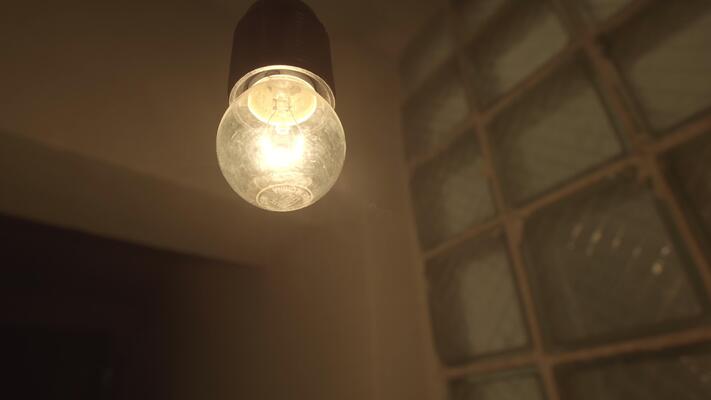
Every homeowner sees a light flicker once in a while. A brief blink during a storm or when a large appliance starts is usually nothing to panic about. But when flickering becomes frequent, unpredictable, or widespread, it often signals a deeper electrical irregularity that should never be ignored.
Electricity is meant to flow smoothly through your home’s wiring. When that flow becomes unstable, your lighting system acts like an early warning device. Think of flickering as your home quietly asking for attention before a small issue escalates into a costly — or dangerous — repair.
Let’s walk through the warning signs that deserve immediate attention.
Lights Flicker and Buzz at the Same Time
A buzzing sound paired with flickering is rarely harmless. This usually indicates a loose electrical connection somewhere in the circuit. When wires are not tightly secured, electricity can “jump” tiny gaps between conductors. This phenomenon is known as electrical arcing.
Arcing generates intense heat — sometimes hotter than 10,000°F at the point of contact. Over time, that heat can melt wire insulation, damage fixtures, and increase the likelihood of an electrical fire.
You might notice the buzzing coming from:
- A light switch
- The breaker panel
- A ceiling fixture
- Inside the wall
Never ignore this sound. Electricity should be silent. If you hear noise, your system is under stress.
What to do:
Turn off the affected fixture and avoid using that circuit until it has been inspected. Waiting too long allows the connection to degrade further.
Flickering Happens When Nothing Else Is Running
If your lights flicker even when your home is quiet — no dishwasher, no HVAC cycling, no hair dryer — this points to a more systemic issue.
Possible causes include:
- A failing circuit breaker
- A deteriorating neutral wire
- Corrosion inside the electrical panel
- A damaged service line
- Meter connection problems
One of the most concerning possibilities is a loose neutral conductor. The neutral wire stabilizes voltage across your electrical system. When it loosens, voltage can swing unpredictably — sometimes too low, sometimes dangerously high.
These fluctuations don’t just affect your lights. Sensitive electronics like laptops, televisions, routers, and smart appliances can suffer internal damage from repeated voltage instability.
Unlike an overloaded circuit, this type of issue will not correct itself. It almost always worsens with time.
You Smell Something Burning or See Scorch Marks
This is a stop-everything warning sign.
A burning odor — often described as smelling like melting plastic or hot rubber — suggests that wire insulation is overheating. Scorch marks on outlets or switches indicate that heat has already escaped the wiring enclosure.
Common causes include:
- Overheated conductors
- Faulty receptacles
- Backstabbed outlet connections loosening
- Damaged insulation
- Short circuits
Heat is the enemy of every electrical system. Once insulation begins to fail, exposed wires can touch and spark. This dramatically raises fire risk, especially inside walls where flames can spread unnoticed.
Immediate safety tip:
If you detect a persistent burning smell, shut off power at the breaker panel and contact a licensed electrician right away. Do not attempt DIY troubleshooting — the risk is simply too high.
Lights Dim Noticeably When an Appliance Starts
A slight dip in brightness when a refrigerator or air conditioner starts is fairly normal. These appliances require a surge of power during startup, known as inrush current.
However, dramatic dimming is a different story.
If your lights drop significantly — especially throughout multiple rooms — your electrical infrastructure may be struggling to keep up with demand.
This often indicates:
- An undersized electrical service
- Aging breaker panels
- Long branch circuits causing voltage drop
- High-resistance wiring connections
- Load imbalance across circuits
Many older homes were designed for a fraction of today’s electrical consumption. Decades ago, households didn’t rely on multiple televisions, gaming systems, home offices, electric vehicle chargers, or high-capacity kitchen appliances.
When modern demand meets outdated infrastructure, the system strains — and flickering becomes the visible symptom.
Upgrading to a 200-amp service panel is one of the most effective long-term solutions if your home still operates on older capacity.
Multiple Rooms Flicker at Once
This is one of the clearest indicators that the issue is not isolated to a single fixture.
When several rooms flicker simultaneously, the problem likely exists closer to the power source, such as:
- The main breaker panel
- Service entrance cables
- Utility connections
- Grounding system
Whole-home flickering deserves prompt professional evaluation because it suggests the electrical backbone of the house may be compromised.
How to Troubleshoot Flickering Lights
DIY Checks You Can Try First
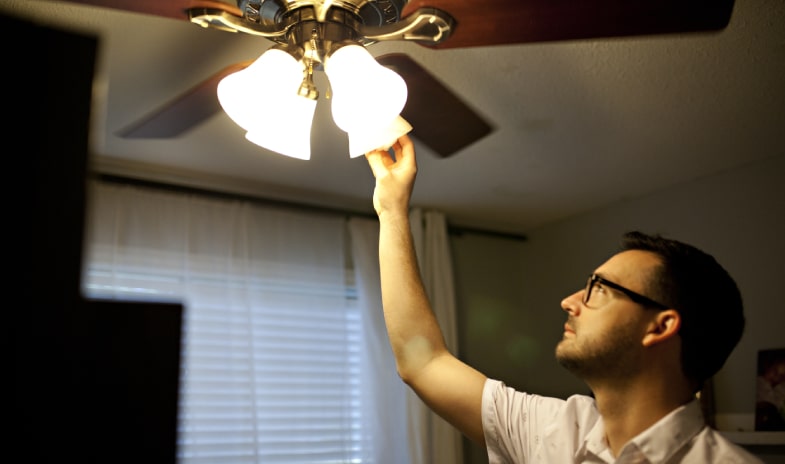
Start by turning off the light and checking the bulb. Tighten it, or replace it with a new one. If it’s an LED, make sure it’s labeled as “dimmable” if it’s on a dimmer.
Try plugging the same lamp into another outlet. If the flicker stops, it’s probably the outlet or circuit that’s faulty — not the lamp.
Turn off some appliances and see if that reduces the flickering. If it does, your circuits might be maxed out.
When It’s Time to Call an Electrician
If none of the DIY steps fix the problem, or if your lights flicker along with buzzing, smells, or sparks — don’t wait. Call a licensed electrician to inspect the wiring and panel.
In places like Egg Harbor Township, where many homes are decades old, a full electrical safety inspection could reveal outdated knob-and-tube wiring or overloaded service panels.
How Mackenzie Contracting Helps Homes in Egg Harbor Township
At Mackenzie Contracting, we understand the charm — and the challenges — of older homes in our area. Our team of licensed electricians is trained to identify and fix the root causes of flickering lights.
We offer:
- Electrical safety inspections
- Rewiring and upgrades
- Light fixture replacements
- Dimmer switch compatibility checks
- Panel and circuit breaker replacements
As a local company, we know Egg Harbor Township building codes and what older homes here typically need. We provide quick turnarounds and no-pressure estimates, so you’re never left guessing.
FAQs
Why do my lights flicker only in one room?
That’s often due to a faulty fixture or a loose wire in that room’s circuit.
Can flickering damage my electronics?
Yes. Power fluctuations can reduce the lifespan of sensitive devices like TVs, computers, and kitchen appliances.
Should I upgrade my electrical panel?
If your panel is over 30 years old or doesn’t have capacity for more circuits, upgrading is a smart move.
Is flickering always dangerous?
Not always. But when it happens regularly or comes with other symptoms like heat or noise, it could be.
Conclusion
Flickering lights in older homes aren’t just a quirky sign of age — they could be pointing to real electrical problems. From outdated wiring to overloaded circuits, these issues need attention. While a loose bulb might be a quick fix, deeper electrical faults require a licensed electrician’s eye.
If you live in Egg Harbor Township and want peace of mind, don’t wait. Let the experts at Mackenzie Contracting help you keep your home safe, up to code, and well-lit.